
It is unavoidable that aging affects our dogs health and well-being. Few are more emotionally difficult then cognitive dysfunction. Fortunately there are things that you can do to help your confused senior pet and make his life easier.
Cognitive Dysfunction in Dogs
Canine cognitive dysfunction syndrome (CDS in dogs) is also known as canine dementia. It is though not the same as Alzheimer disease in humans though the symptoms are in many ways similar, including disorientation and decreased social interaction.
Dog dementia can be very difficult for the human companions, just as Alzheimer is hard for other family members. Cognitive dysfunction in dogs is unfortunately incurable but with early intervention and the right management, it is possible to improve the quality of life for dogs with CDS.
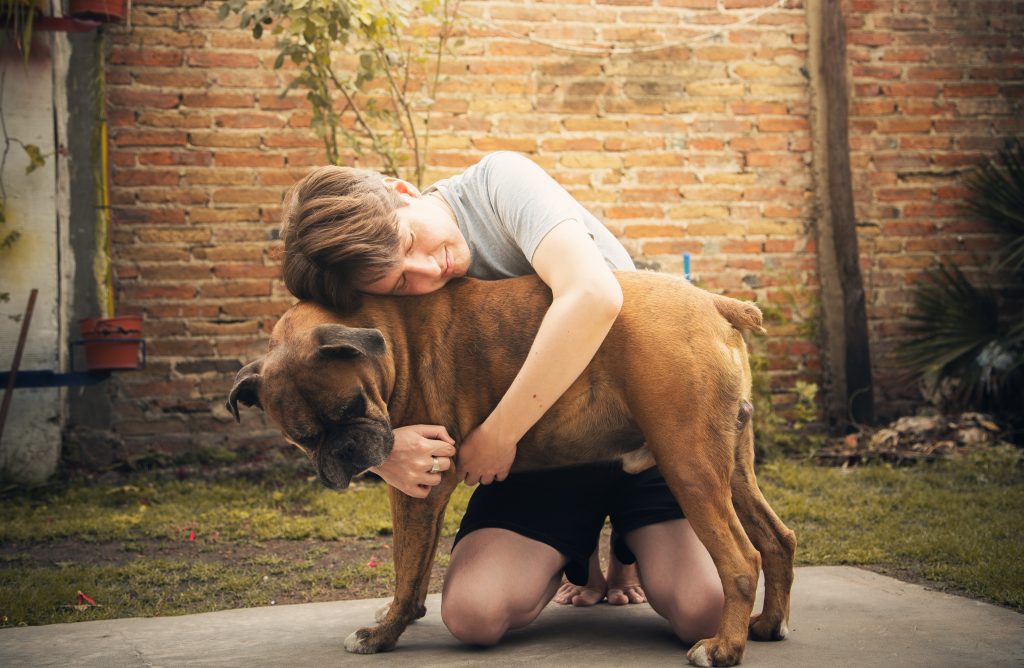

Cognitive dysfunction syndrome in dogs is believed to be caused by physical and chemical changes that affect our pet’s brain function as they get older.
Simply put canine cognitive dysfunction syndrome is the result of age-related changes within the brain.
“In one study at the University of California-Davis, 62% of 11- to 16-year-old dogs showed signs in at least one category of CDS. In a pet owner survey, nearly half of dogs age 8 and older showed at least one sign associated with CDS”
Many diseases that are common in older dogs have similar symptoms as CDS, e.g. diabetes, brain tumours, and hypothyroidism.
Problem behaviour resulting from dogs’ dementia can also be mistaken for behavioural problem. Cognitive dysfunction in dogs is therefore likely to be both under-diagnosed and under-reported.
The diagnosis of canine dementia is in a way a diagnosis of exclusion, i.e. by ruling out any other potential medical reasons for the declined cognitive function.
The most common symptoms of canine cognitive dysfunction syndrome are:

Disorientation or Confusion
This can be very stressful for both your dog and you. It is heart-breaking to watch your pet wander aimlessly, appearing lost and confused. Your dog may not recognize familiar people and get “lost” in a corner or behind a door. He may ask to go outside and then appear to have forgetting the reason for going outdoors. We can only imagine how difficult this must be for the owner.
Change in Activity
You may notice increase in aimless activity, like pacing or wandering, and decrease in purposeful activity, like playing.
Loss of Housetraining
Your dog may lose his housetraining skills. He may forget to “ask” to go outdoors so there may be accidents indoors.
Decreased Social Interaction
Your relationship will suffer as your dog may crave less attention and even refuse petting. He may not respond to verbal cues or even his name. Your dog may become less enthusiastic when greeting you and he may eventually stop greeting you at all when you come home.
Your dog’s relationship with other humans and other pets will also change. Your previously friendly happy go lucky dog may suddenly become tense, anxious, and even aggressive.
Change in Sleep – Wake Cycle
Your dog is likely to sleep more overall. He may sleep less at night as there may be general confusion between day and night.
The most common clinical signs of cognitive dysfunction at baseline ( A Roundtable Discussion )
Cognitive Dysfunction Symptom | % | Increased total amount of sleep during a 24-hour period | 83.3% |
|---|---|
Decreased attention to surrounding, disinterest, apathy | 77.8% |
Decreased purposeful activity | 75.0% |
Loss of formerly acquired knowledge (including elimination behaviors) | 72.2% |
Intermittent anxiety (apprehension, panting, moaning, shivering) | 61.1% |
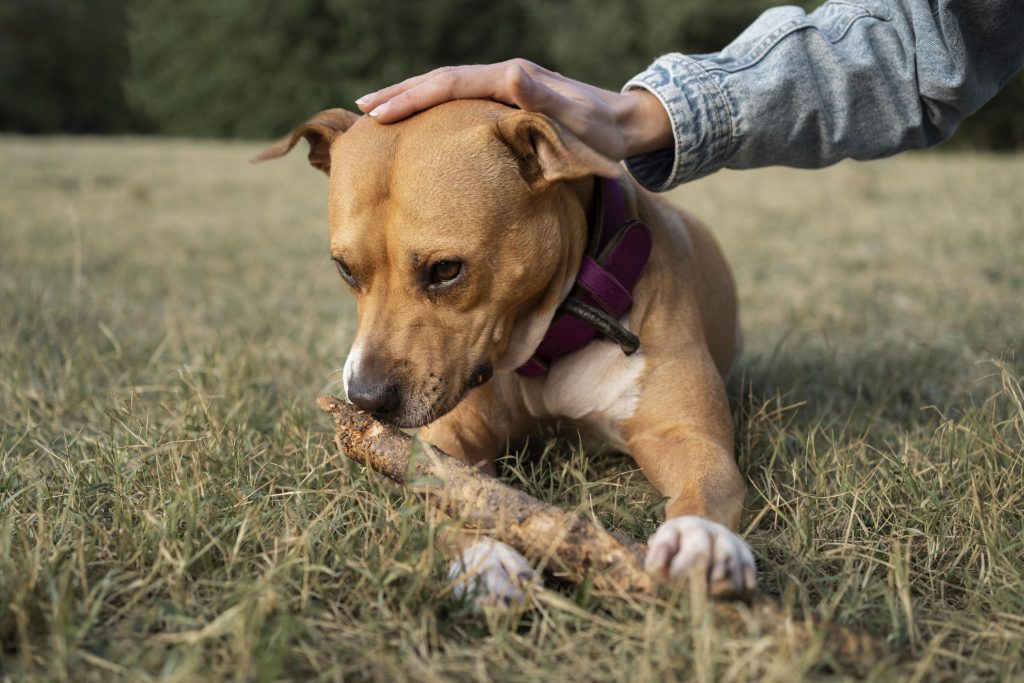
Just like us, our dogs need to exercise their brain as well as their body. Not using the brain enough can affect our dogs’ cognitive functions and problem-solving skills.
It is never too late to start exercising your dog’s brain. You can indeed ‘teach an old dog new tricks’. It just takes longer. But it can still be as fun and rewarding for you and your dog.
By completing this form, you agree to receive marketing and promotional emails from maxxipaws. You can change your preferences or unsubscribe anytime.

The above symptoms made you cringe, right? Canine cognitive dysfunction syndrome is a serious condition and very stressful for both the pet and its owner. It is unfortunately not curable.
However, with early intervention and the right management, the quality of life for dogs with cognitive dysfunction syndrome can be improved. So…. what can you do about dog dementia?

As pets grow older, they can face many of the same age-related health conditions as humans. Our unique stabilized SAM-e powder boosts liver and cognitive functions while easing joint discomfort and improves mood at the same time. While maxxiSAMe is hard at work within your beloved pet’s liver and brain, expect marked improvements in attitude, energy, and the behavior of your dog.

