
Proper care of your cat’s anal glands is an essential aspect of their overall health and well-being. By understanding the basics of anal gland function, recognizing signs of trouble, and implementing preventive measures, you can help ensure your cat remains comfortable and healthy.
Essential Tips for a Healthy Pet
Anal glands, though a small part of your cat’s anatomy, play a significant role in their overall health and well-being. These glands, located on either side of the anus, secrete a unique scent that cats use for marking territory and communication.
However, when these glands become impacted or infected, it can lead to discomfort, health issues, and changes in behaviour. Understanding how to care for your cat’s anal glands is crucial for any pet owner. This article delves into the essentials of cat anal gland care, including prevention, identification of issues, and treatment options.
Each cat has two anal glands that excrete a smelly fluid through ducts opening onto the anus. Normally, this fluid is expelled during defecation, marking the stool with the cat’s unique scent. Problems arise when these glands become clogged, impacted, or infected, leading to discomfort and potential health issues.
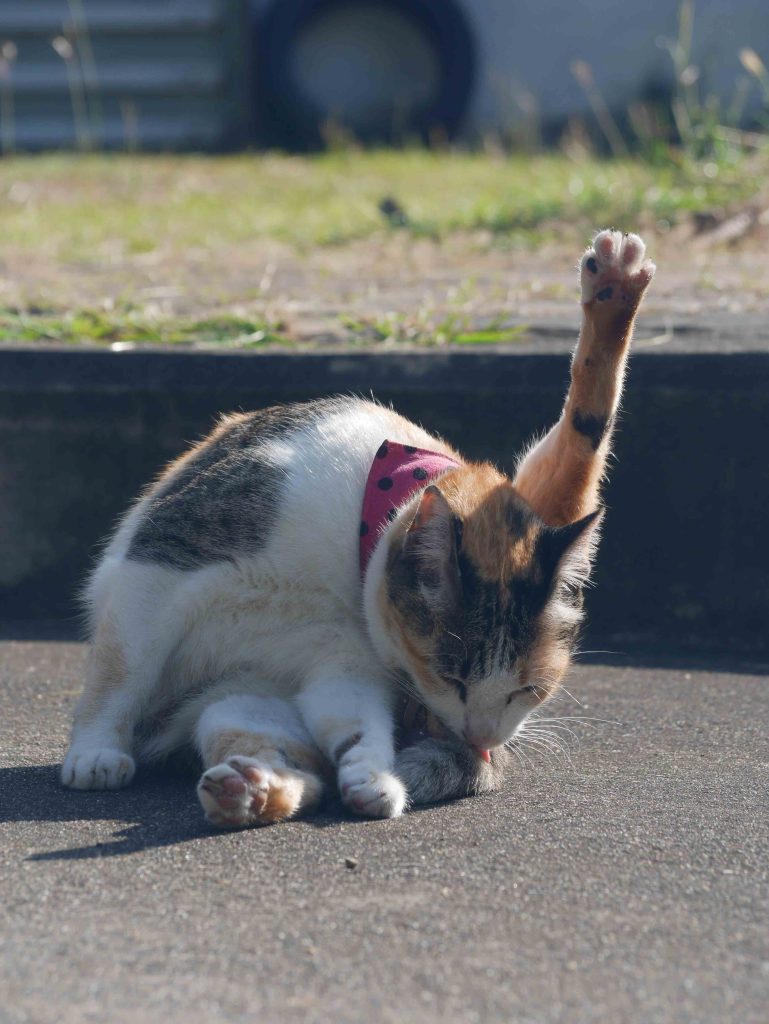
Cats are adept at hiding discomfort, but there are tell-tale signs that their anal glands may be causing them trouble:
Scooting: Dragging their rear on the ground is a common sign of irritation.
Licking: Excessive licking or biting at the anal area.
Smell: A foul smell coming from the rear end, distinct from normal odours.
Swelling: Swollen or hard areas near the anus.
Discomfort: Visible discomfort or pain when sitting or moving.
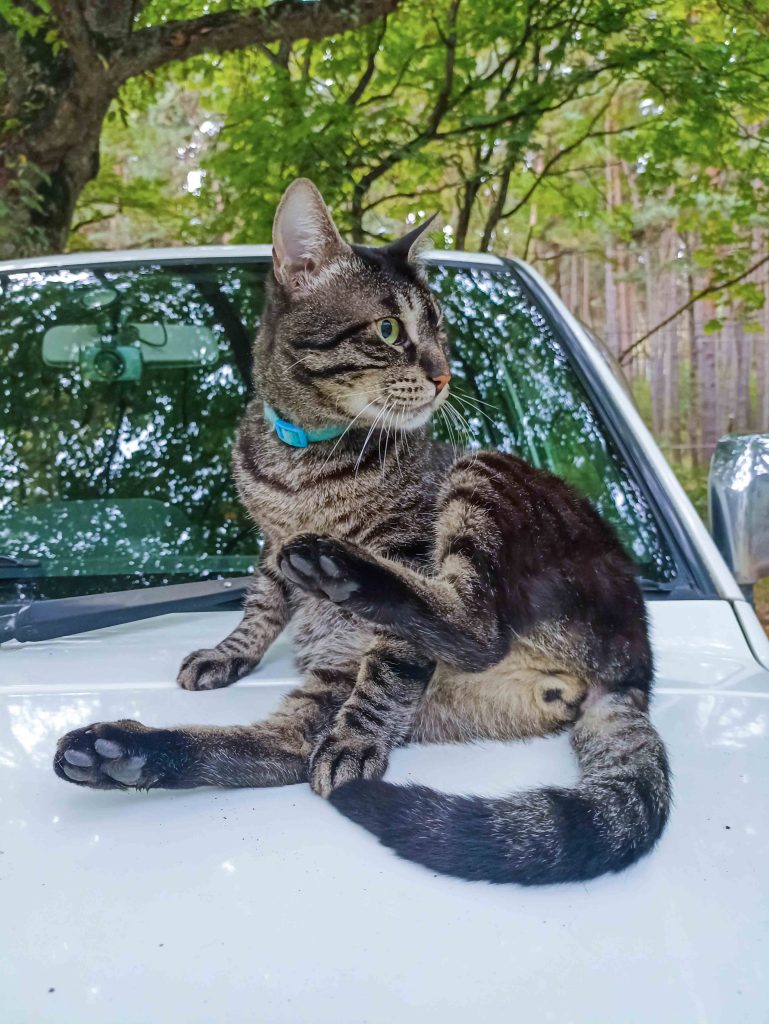
The cornerstone of cat anal gland care is prevention. Here are several strategies to help keep your cat’s anal glands healthy:
Diet and Nutrition
A balanced diet rich in fibre can help ensure regular bowel movements and natural gland expression. Consider discussing your cat’s diet with a veterinarian to ensure it meets their specific needs. Good quality anal gland supplement, like maxxiscoot for cats, can also help to create bulkier stools and promote natural emptying of the anal sacs.
Weight Management
Overweight cats are more prone to anal gland issues. Maintaining a healthy weight through proper diet and regular exercise can help prevent anal gland problems in cats.
Hydration
Encouraging your cat to drink more water can help prevent constipation, promoting regular bowel movements and natural anal gland expression.
Regular Grooming
For long-haired breeds, keeping the area around the anus clean and trimmed can prevent matting and faecal matter build-up, reducing the risk of infections.
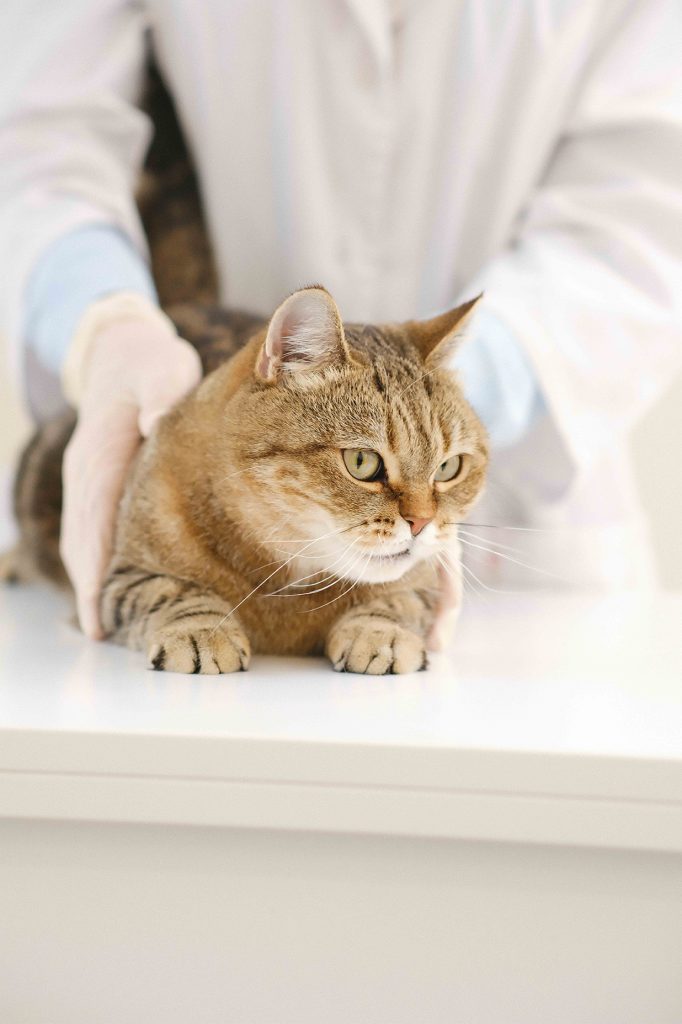
Early detection and treatment of anal gland issues can prevent more serious conditions, such as abscesses or severe infections. If you notice any signs of discomfort or changes in your cat’s bathroom habits, consult a veterinarian. They can perform a thorough examination and, if necessary, express the anal glands manually.
While some pet owners may be tempted to express their cat’s anal glands at home, this procedure is best left to professionals. Incorrect expression can cause pain, inflammation, and even damage the glands. A veterinarian or a skilled veterinary technician can safely perform this procedure, reducing the risk of complications.
After your cat has had their anal glands expressed, monitoring them for any signs of continued discomfort or complications is crucial. Keep the area clean, and avoid bathing your cat for a few days to prevent irritation. It is also worth reviewing your cats diet and need for anal gland support supplementation.
If you notice swelling, redness, or discharge, you should contact your veterinarian immediately.
Any persistent issues with your cat’s anal glands warrant a visit to the vet. This is especially true if you notice repeated scooting, licking, swelling, or changes in behaviour after initial treatment. Your veterinarian may recommend further diagnostics to rule out underlying health issues.
For cats with chronic anal gland problems, your vet may suggest a long-term management plan. This could include regular veterinary visits for gland expression, dietary adjustments, and possibly medication to address underlying causes such as allergies or infections.

Q: How often do cats need their anal glands expressed?
A: Most cats will never need manual expression if they are healthy and have regular bowel movements. However, cats prone to gland issues may require more frequent attention.
Q: Can diet really prevent anal gland problems?
A: Yes, a proper diet can significantly impact anal gland health by ensuring regular, healthy bowel movements that naturally express the glands. Adding a quality anal gland supplement, like maxxiscoot for cats, can also be very effective in preventing anal gland problems in pets.
Q: Are some cats more prone to anal gland issues?
A: Yes, overweight cats and those with chronic bowel issues are more susceptible to anal gland problems.
Proper care of your cat’s anal glands is an essential aspect of their overall health and well-being. By understanding the basics of anal gland function, recognizing signs of trouble, and implementing preventive measures, you can help ensure your cat remains comfortable and healthy.
Remember, when in doubt, always consult a veterinarian for advice and treatment. Early intervention can prevent discomfort for your cat and avoid more serious health issues down the line, keeping your feline friend happy, healthy, and active for years to come.

Naturally supports your cat’s anal gland health

